Apply Now!

Blog Details

What Is EMS?

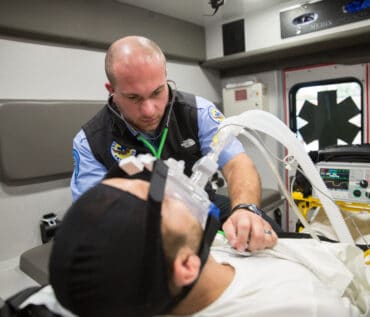
Emergency Medical Services (EMS) is a service that provides specialized medical care, typically during an emergency situation. An EMS provider responds to emergencies and also provides transport services to and from hospitals or other medical facilities as needed. EMS providers can also provide pre-hospital treatments to stabilize the patient before they are transported to the hospital.


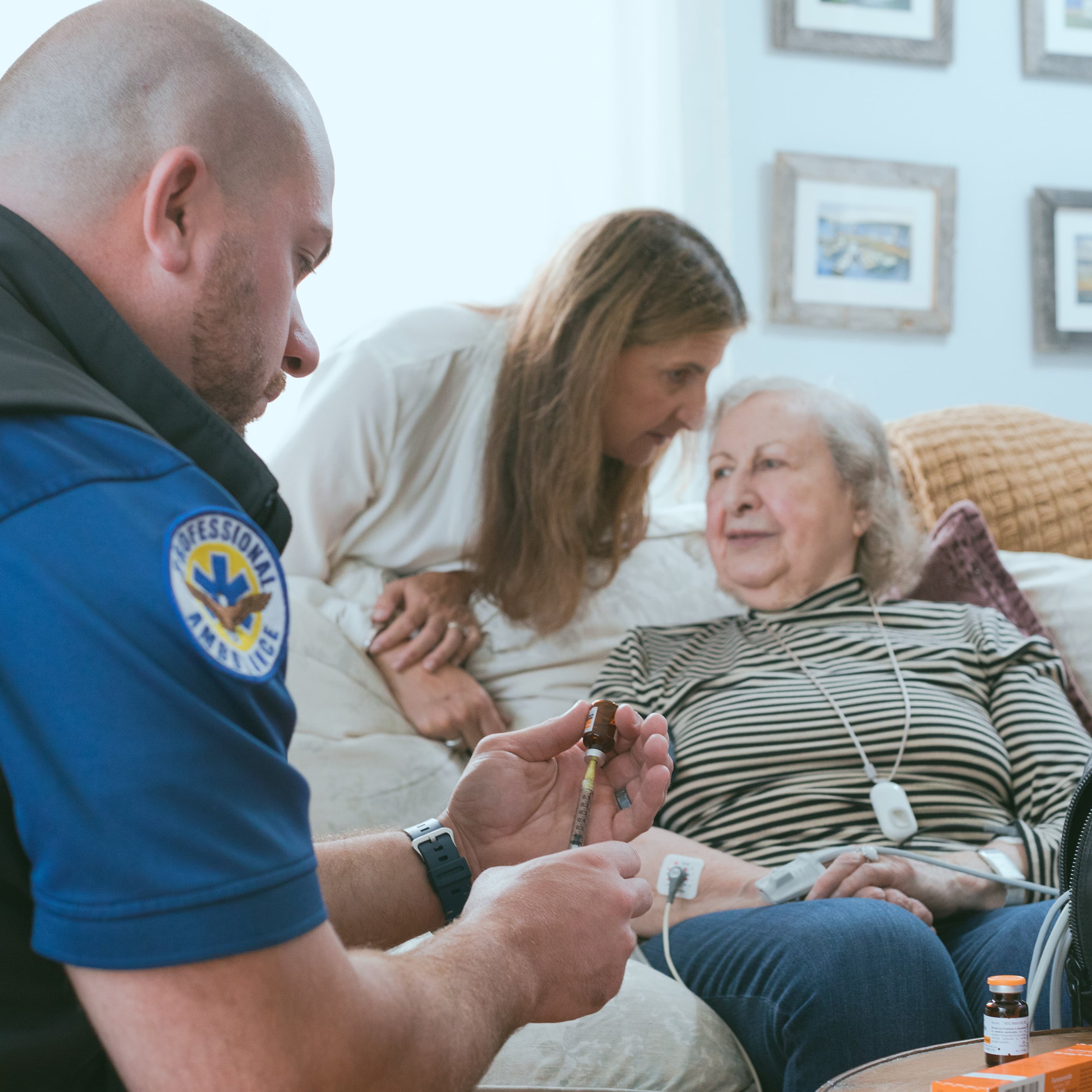
The most common form of EMS personnel are Emergency Medical Technicians (EMTs). EMTs have undergone training in basic life support (BLS) skills such as CPR, airway management, splinting and bandaging wounds, etc., and they are able to assess patients and make decisions regarding their treatment. Advanced EMTs have gone through more intensive training that allows them to perform more advanced tasks such as administering medications and providing airway management with advanced equipment like a bag valve mask or suction device.

EMS Services

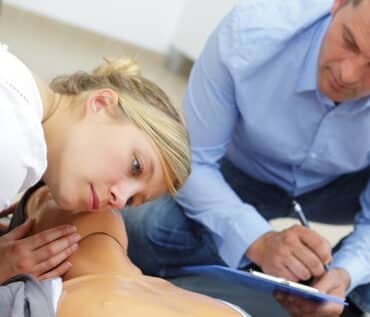
Emergency Medical Services (EMS) providers can offer additional services outside of just responding to emergencies and transporting sick or injured patients. In addition to transport, EMS providers can provide medical education and community outreach programs to help teach people about first aid and CPR practices. They may also be involved in disaster response planning and preparedness, as well as providing medical support for special events such as marathons or other large gatherings.


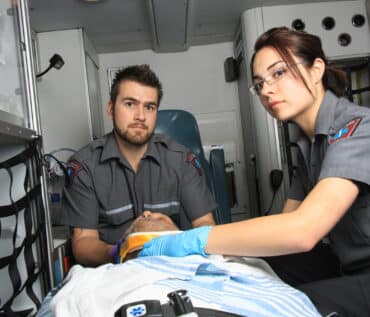
It is crucial to understand the differences between an Emergency Medical Technician (EMT) and an Emergency Medical Services (EMS) provider. While both play a critical role in emergency medical care, there are some key distinctions between the two. An EMT is trained to provide basic life support skills, such as administering CPR, stopping bleeding, and managing open fractures. EMTs work on ambulances or in other similar vehicles and are typically the first on the scene at an emergency.

On the Other Hand

On the other hand, an EMS provider offers a wider range of services that includes more advanced medical care and community outreach. They possess advanced medical skills and are better equipped to manage complex medical emergencies, such as heart attacks or strokes. EMS providers can provide services from a variety of settings, such as fire stations, hospitals, and their own dedicated facilities. They can also work alongside other healthcare professionals, including physicians and nurses, to provide comprehensive, multidisciplinary care to patients.


EMS providers not only respond to urgent medical emergencies, but they also help prevent emergencies in the first place through community education, emergency preparedness, and injury prevention initiatives. They work diligently to ensure the health and safety of their communities through a variety of outreach programs, such as CPR instruction and safety training for children and elderly populations.

In Conclusion

In conclusion, while EMTs and EMS providers differ in their scope of practice and training, both play a critical role in emergency medical services. EMTs are typically the first line of response in emergency situations, while EMS providers are better equipped to manage more complex medical emergencies. Together, they work to provide life-saving medical care and emergency services to ensure the health and safety of the communities they serve.


By understanding the differences between EMTs and EMS providers, we can ensure that all individuals receive the highest quality of care in any emergency situation. Together, they are a powerful team that is dedicated to saving lives and protecting our communities.

How We Can Help

World Immigration News & Updates

EMT assisting man in back of ambulance

From Hospital to Home: Ensuring Safe Patient Transfers in Rhode Island

Introduction: The Most Important Ride Home Leaving the hospital is a milestone — a sign of recove

EMT Training - EMT Certifications - EMT Certification Levels - EMT Training - Professional EMT

The Role of Private Ambulance Services in Rhode Island’s Healthcare System

Introduction: The Hidden Backbone of Healthcare When people think about healthcare, they picture do

EMT helping women in home

How Rhode Island’s Aging Population Is Driving Demand for Private Ambulance Services

Introduction: Rhode Island Is Getting Older — and Needs More Support Rhode Island’s population

EMT Back of Ambulance Ambulance services near me EMT near me

Why Professionalism and Compassion Matter in Private Ambulance Care

Introduction: Beyond Transportation — A Commitment to Humanity Ambulance transport is often seen

Professional Ambulance Escorting Women Out of Home

Public vs. Private Ambulance Services in Rhode Island: What’s the Difference?

Introduction: Two Systems, One Mission — Patient Care Ambulances are a familiar sight across Rhod

paramedic driving - benefits of paramedicine

How to Choose the Right Non-Emergency Medical Transport in Rhode Island

Meta Title:How to Choose the Right Non-Emergency Medical Transport in Rhode Island | ProAmbRI Meta

EMT Ambulance Services Hired as EMT become and EMT

Private Ambulance Services in Rhode Island

Rhode Island may be the smallest state in the U.S., but its healthcare needs are as complex as any

Two EMTs walking on the side of Ambulance

The Top Benefits of Private Ambulance Services in Rhode Island

When it comes to medical transportation, private ambulance services offer significant advantages th

EMT Classes Online EMT Training Online Become an EMT how to become an EMT

How to Choose the Right Non-Emergency Medical Transport in Rhode Island

When you or a loved one need non-emergency medical transportation (NEMT), choosing the right servic

Professional Ambulance Escorting Women Out of Home

When Do You Need Non-Emergency Medical Transport? Common Scenarios Explained

For many individuals, getting to a doctor’s appointment or hospital visit isn’t as simple as ho

Website Designed and Developed by PMC Media Group
©2025 Professional Ambulance