Becoming an Emergency Medical Technician (EMT) requires dedication, determination and a lot of hard work. The process is not for the faint-hearted as it will require you to complete both theoretical and practical training. Depending on your state or country, the exact length of time it takes to become an EMT can vary. Generally speaking, most states and countries require EMTs to have completed at least 150 hours of certified training before they can take their certification exam and become official EMTs.
In order to become an EMT, the certification process requires more than just completing a specified number of training hours. There are other requirements that aspiring candidates must fulfill before enrolling in an emergency service program. One of these requirements may be a background check, which ensures that prospective EMTs have no criminal record. This may involve taking their fingerprints, and they may also have to undergo drug and alcohol screening. These preventive measures help ensure public safety and the integrity of the profession.
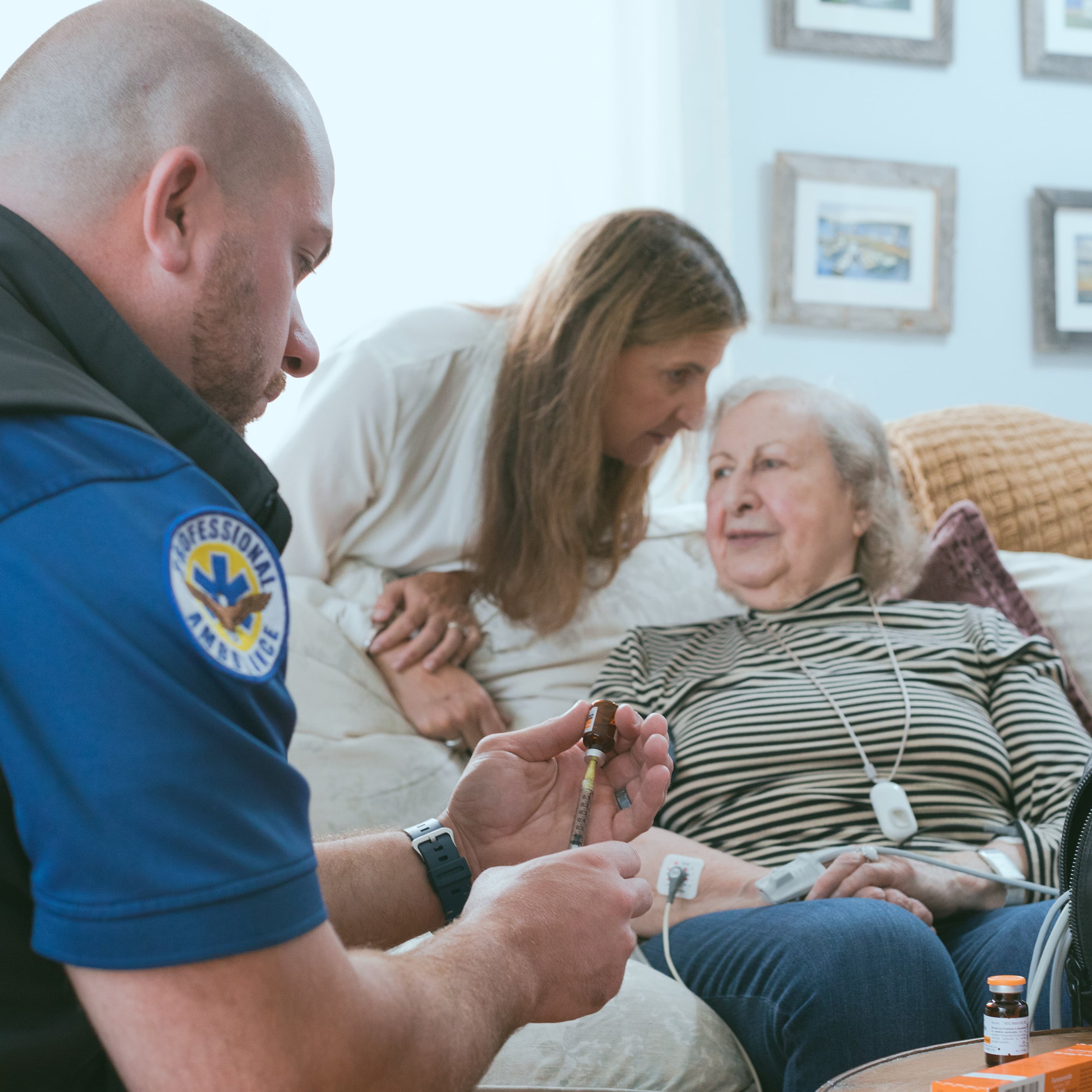
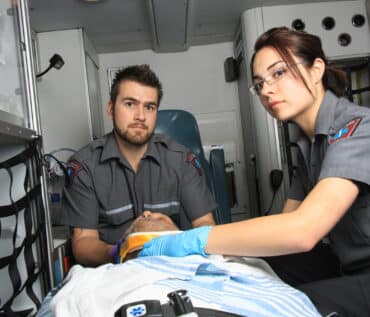
In addition to a clean background, hopeful EMTs must undergo extensive training to learn how to properly care for patients in emergency situations. The training curriculum typically includes topics such as patient assessment, emergency medical procedures, and safety protocols. Trainees must complete a specified number of hours in classroom and clinical settings, during which they practice critical skills and procedures under the supervision of experienced instructors.
In order to become an EMT, the certification process requires more than just completing a specified number of training hours. There are other requirements that aspiring candidates must fulfill before enrolling in an emergency service program. One of these requirements may be a background check, which ensures that prospective EMTs have no criminal record. This may involve taking their fingerprints, and they may also have to undergo drug and alcohol screening. These preventive measures help ensure public safety and the integrity of the profession.
In addition to a clean background, hopeful EMTs must undergo extensive training to learn how to properly care for patients in emergency situations. The training curriculum typically includes topics such as patient assessment, emergency medical procedures, and safety protocols. Trainees must complete a specified number of hours in classroom and clinical settings, during which they practice critical skills and procedures under the supervision of experienced instructors.
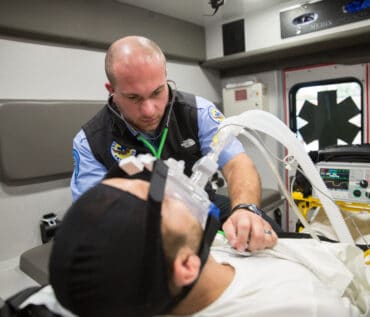
After completing the necessary coursework and training hours, aspiring EMTs must pass a certification exam. This exam typically includes both written and practical sections, which evaluate the candidate’s knowledge and ability to provide life-saving measures in emergency situations. These tests assess the candidate’s understanding of anatomy and physiology, pharmacology, and patient care. The practical section evaluates the ability to perform emergency medical procedures such as CPR, administering oxygen, and other basic life support interventions.
Candidates who have passed the certification exam can apply for state licensure. This ensures that EMTs meet the necessary standards for their profession, allowing them to practice legally and safely. To maintain their skills and stay current with advancing trends in emergency medical care, EMTs must also participate in continuing education and training programs as required for state licensure.
To become an EMT, one needs to undergo rigorous training and certification. This is important to provide effective care to patients in emergency situations. The process involves completing training hours, clearing a certification exam, and obtaining state licensure. EMTs need to possess critical thinking, make quick decisions, and have compassion for patients during life-threatening medical emergencies. With dedication and hard work, anyone can become an EMT and contribute to saving lives.
How We Can Help
Introduction: The Most Important Ride Home Leaving the hospital is a milestone — a sign of recove
Introduction: The Hidden Backbone of Healthcare When people think about healthcare, they picture do
Introduction: Rhode Island Is Getting Older — and Needs More Support Rhode Island’s population
Introduction: Beyond Transportation — A Commitment to Humanity Ambulance transport is often seen
Introduction: Two Systems, One Mission — Patient Care Ambulances are a familiar sight across Rhod
Meta Title:How to Choose the Right Non-Emergency Medical Transport in Rhode Island | ProAmbRI Meta
Rhode Island may be the smallest state in the U.S., but its healthcare needs are as complex as any
When it comes to medical transportation, private ambulance services offer significant advantages th
When you or a loved one need non-emergency medical transportation (NEMT), choosing the right servic
For many individuals, getting to a doctor’s appointment or hospital visit isn’t as simple as ho